This guide is original editorial content. Linked public sources and directory listings should be checked again for live schedules, closures, prices and access rules.
Start with the refuge, not a roadside photo stop
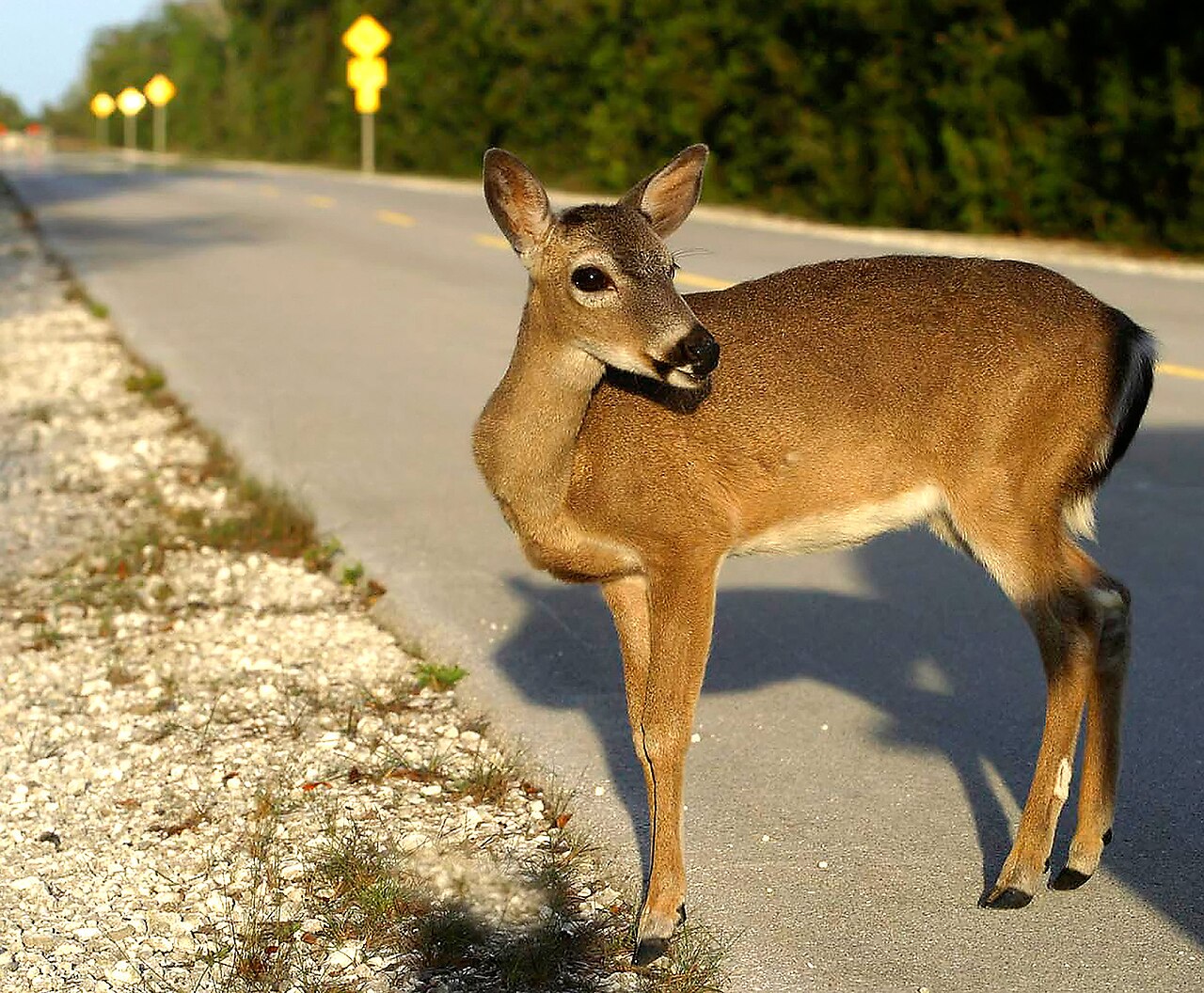
Big Pine Key is the heart of National Key Deer Refuge. The small deer are wild animals even when they appear comfortable near roads and neighborhoods. Begin at the refuge Nature Center for current advice, then explore only places where stopping is legal and safe. Feeding Key deer is harmful and prohibited; it changes their behavior and draws them toward traffic.
Drive well below the limit on side roads, scan both shoulders at dawn and dusk, and give animals an escape route. If a deer approaches, remain still or back away rather than encouraging a close photograph. The best encounter is one that leaves the animal behaving exactly as it did before you arrived.
Use Big Pine as a Lower Keys service stop
Big Pine has more everyday infrastructure than many neighboring islands: fuel, groceries, pharmacies, a post office, casual restaurants and fishing supplies. That makes it a sensible provisioning point before a boat day, Bahia Honda visit or stay on a smaller Lower Keys island. It is still an island community, so late-night options and specialty inventory can be limited.
For anglers, local bait and tackle shops are more useful than a generic sporting-goods aisle because bait availability changes with season and conditions. Call ahead if you need a specific live bait, a fishing-license service or a rod repair. For medicine, refill essential prescriptions before the trip and use the pharmacy filter to identify a backup.
- Do not park on narrow residential shoulders.
- Carry reef-safe sun protection and plenty of water.
- Confirm boat-ramp parking and non-resident rules before towing in.
Plan the water day before launching
Lower Keys water can shift quickly from shallow flats to channels, bridges and exposed ocean. Public ramps are not interchangeable: some have limited trailer space, neighborhood restrictions, shallow approaches or no useful parking. Match the ramp to your vessel, tide and destination rather than choosing the closest pin.
Looe Key reef trips generally depart with local operators, while backcountry paddling needs careful wind and tide planning. Check a marine forecast, file a float plan and carry more communication capability than a phone alone if you are going offshore. Big Pine’s relaxed atmosphere is not a substitute for preparation.